
Mexico is a country with many social problems, and one of them is the kidnapping of women and children. This problem has been overgrowing due to corruption, prostitution, organ sales, human trafficking, etc. I have always wanted to contribute to my society, and I am sure that with this app, I can help prevent and reduce the number of kidnappings in my country and leave some clues to the authorities when an abduction has occurred.
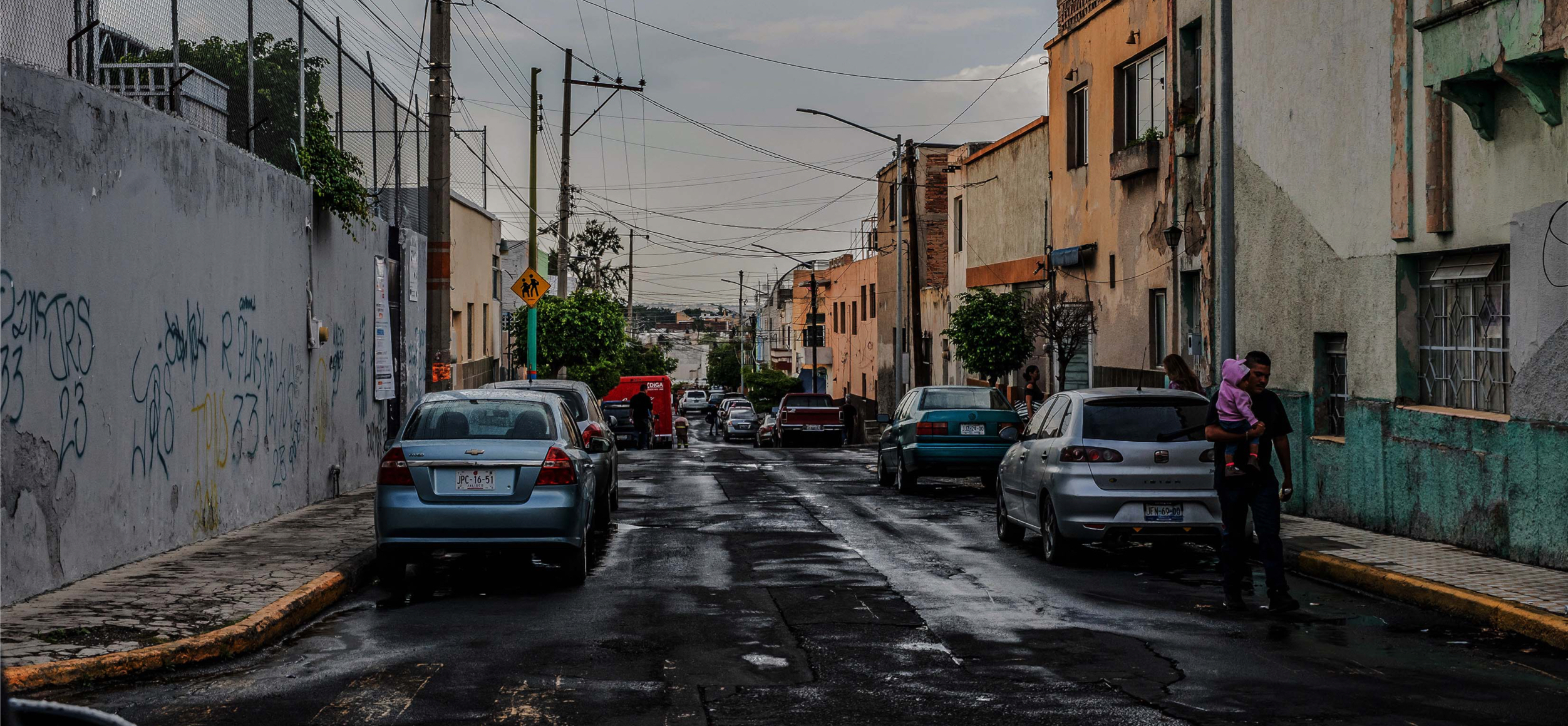
To contribute to my society, as a UX designer, I decided to tackle one of the biggest problems in my country. With the help of my advisor and a systems specialist, we worked together to develop this app.
I led the "S.O.S. Safe Lives" project, being present from the beginning to the end of it, correcting all the time, discovering new problems and weaknesses, learning incredible stories from users, and iterating to keep improving.

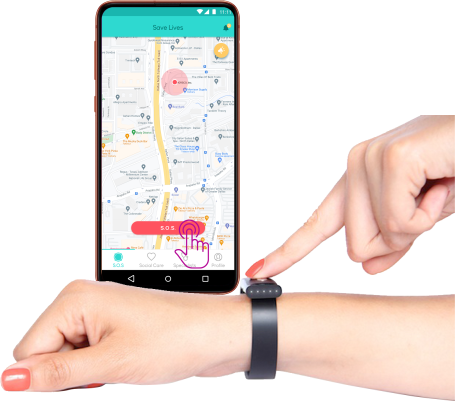
Graphically, the best way to notify contacts that someone is in danger, sharing their current location, is through the "S.O.S." button as it is easy to identify by its color, shape, and size. On a practical level, the best solution is to create a bracelet that plays the same important role as the "S.O.S." button.
The impact of the application on the public was significant; the women are happy to know that they can have a digital tool that can take care of them.
After understanding various characteristics of the kidnapping; conducting quantitative research on the number of abductions of women in Mexico and the United States, I developed a survey of 23 women to understand how they faced this problem. I selected five of these women to invite them to an interview and talk about this social issue.
Finally, with all the information acquired, we developed two relevant processes: the affinity map and the empathy map, which launched new information and corrected previous ideas.
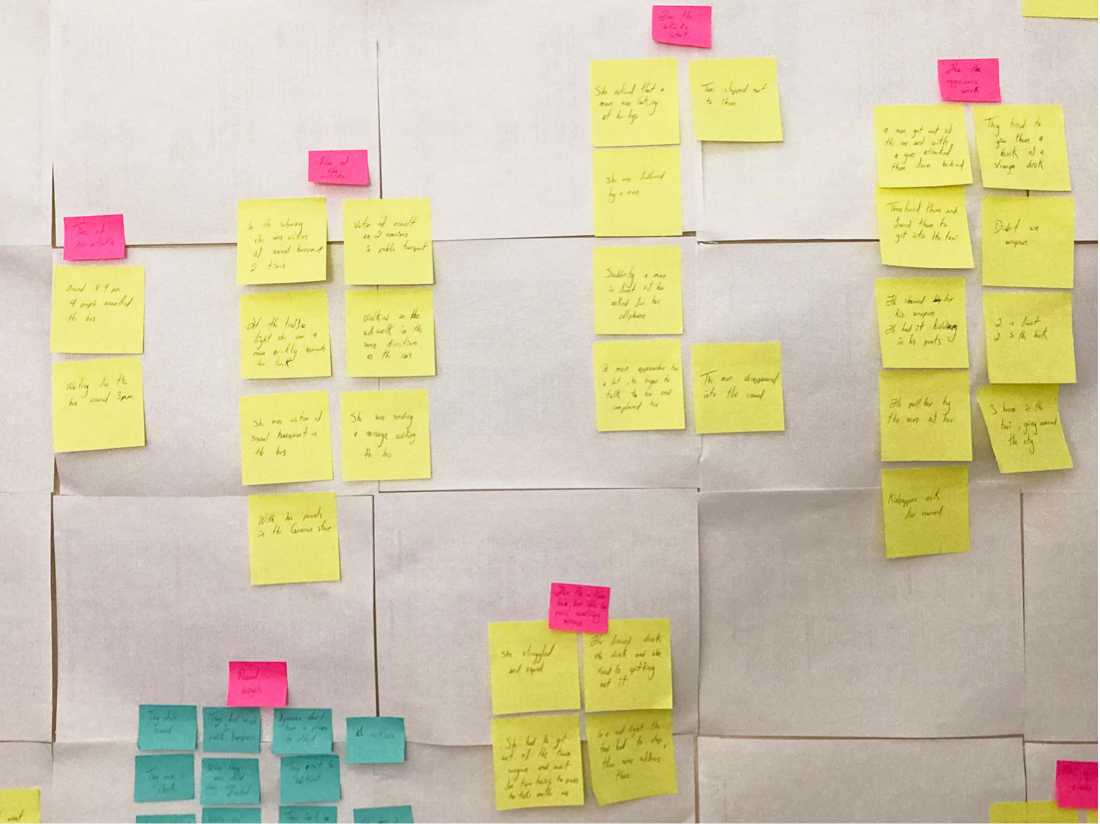
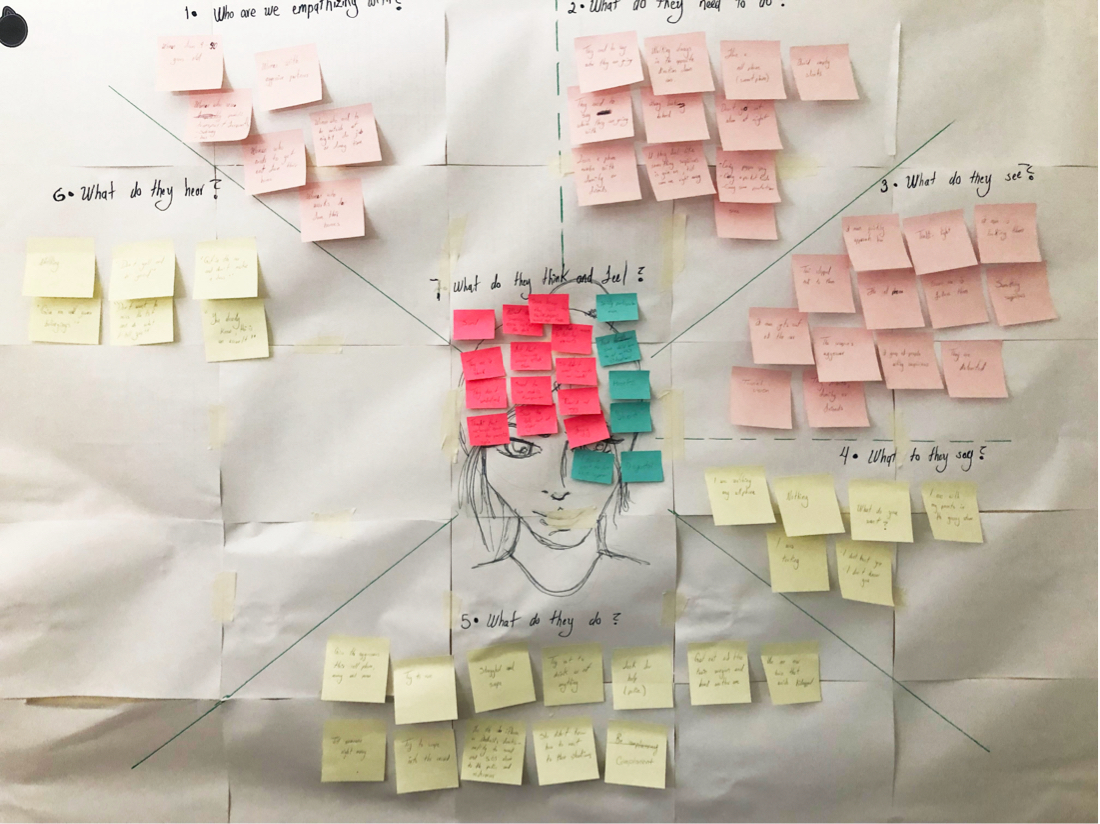
Kidnapping is very complicated for women for several reasons:
Almost all of them are afraid when they leave their home
They have been victims of sexual harassment since childhood.
They think that someone is following them or seeing them all the time.
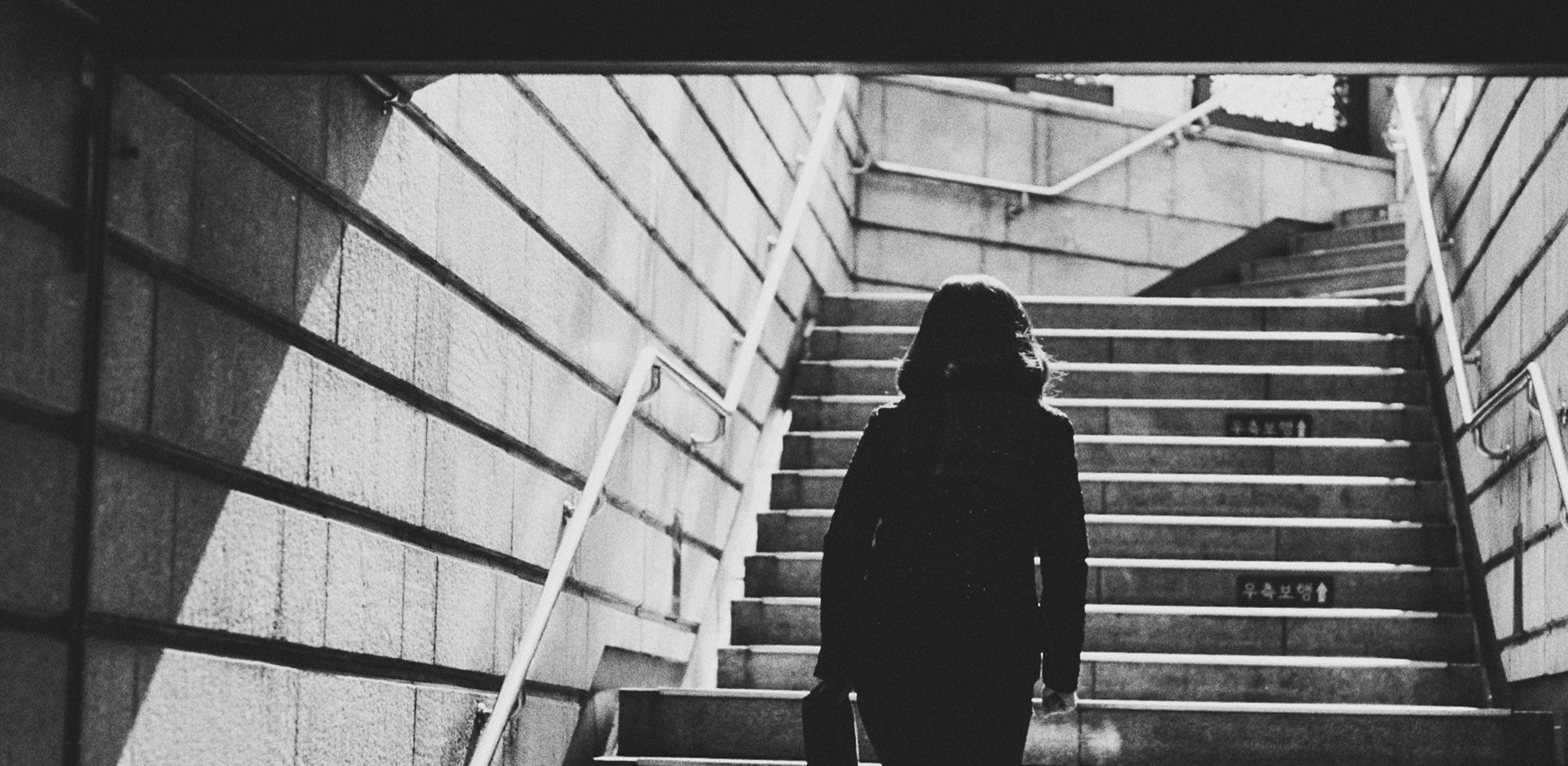
We work knowing that "we don't need another pink app for women on the market," we work to create an app where the public can feel safe, calm, and easy to use.
Accessible to all women in Mexico who have a smartphone.
We want a product that does not allow the user to waste her time opening the application on her smartphone and then completing the main task; for this, the bracelet's function is essential.
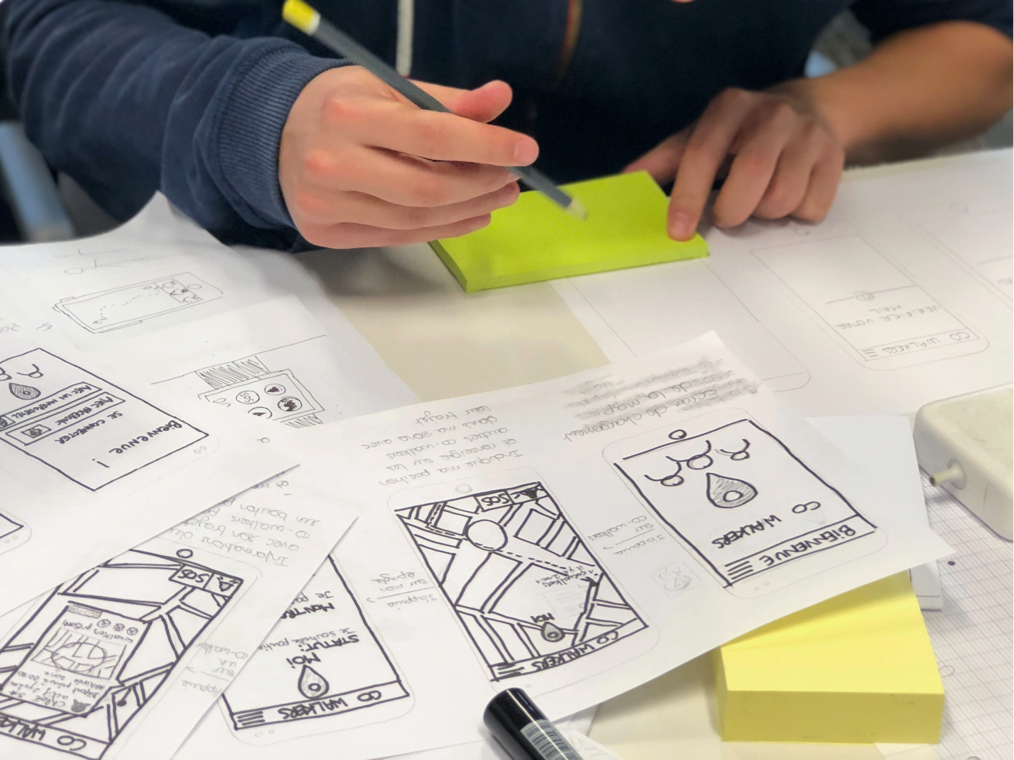
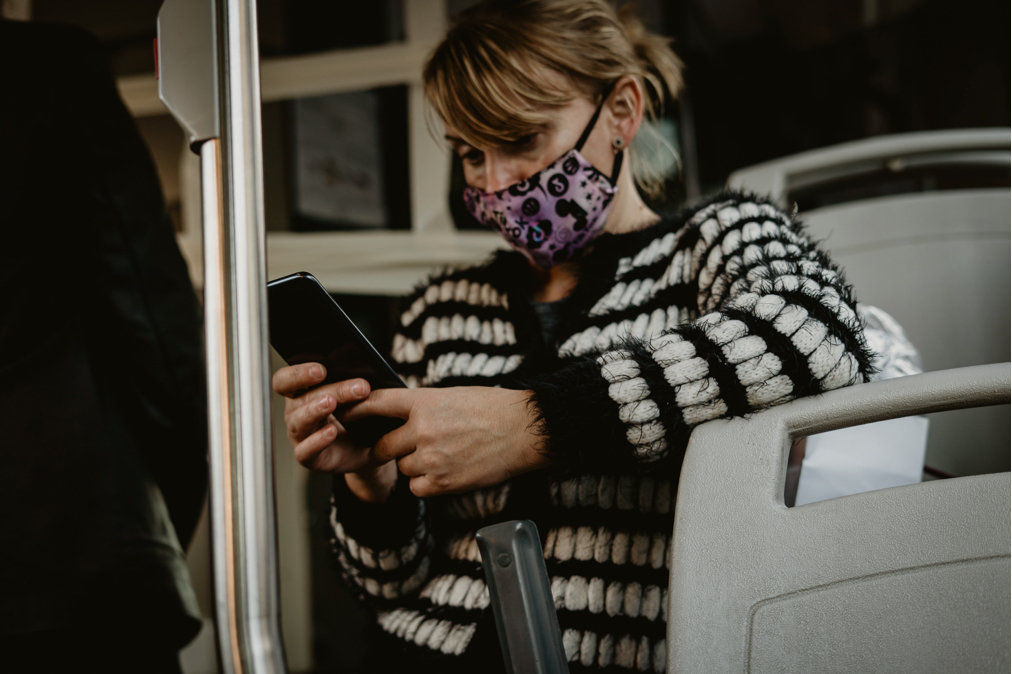
In the application market, there are some whose primary function is the safety of people; some work in a similar way. However, I detected that almost all required services for which the user has to pay.
For this project, I faced several challenges: trying to be different from the others. To solve it, I developed two differentiators: Accessibility for users and the bracelet that sends the signal to the application when someone is in danger. Another challenge was developing the bracelet; to solve this, I looked for a specialist in digital development to create the artifact.
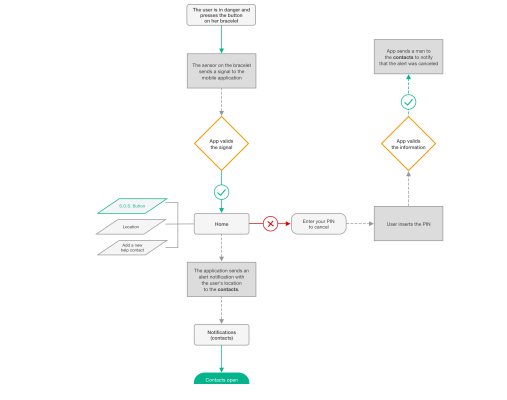
Through a User-Centered Design process, wherewith secondary research, we define the problem and describe the features of the target. With quantitative and qualitative research conducted through surveys, interviews, user flows, wireframes, sketches, so on, we work to develop the best product.
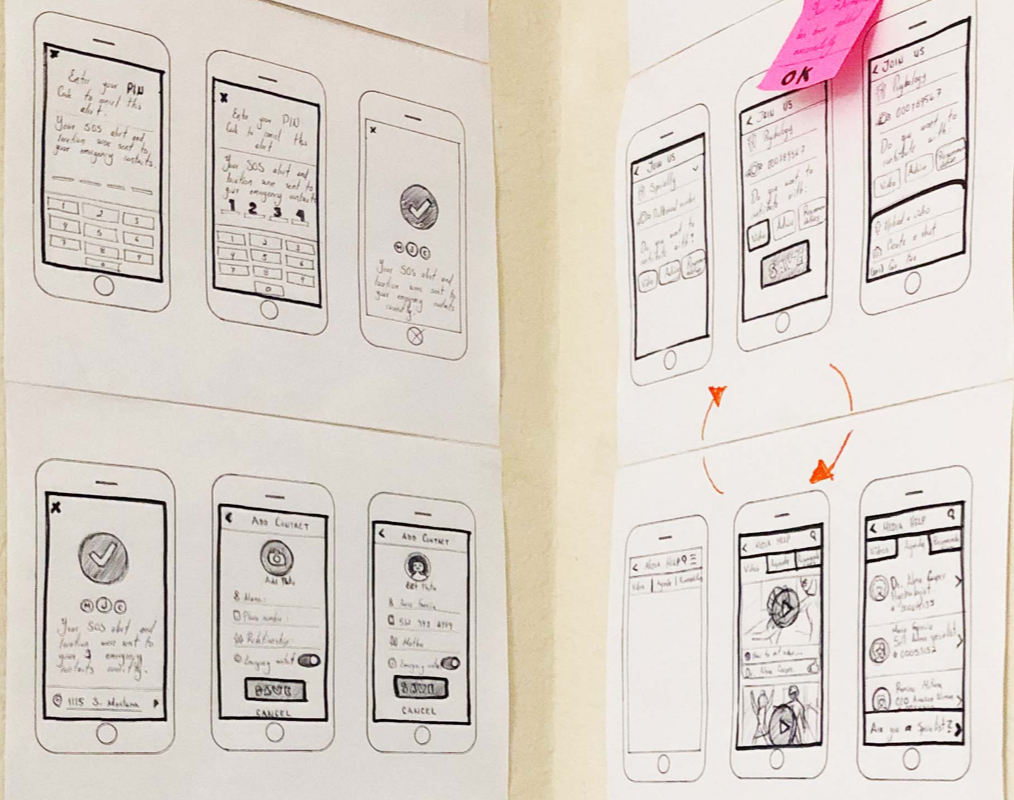
Finally, we continue to iterate the product with real users to identify weak points and interests to improve the final product with the high-definition prototype.
The selection of each element in the design result is from the analysis of the process mentioned above.

Finally, I discovered other problems; I observed that the user interacts differently than I thought. It led me to reconsider my mentality and restructure my User-Centered Design process differently, building several sketch options, user flow correction, generating several rounds of usability testing, etc.
On the human side, I discovered other significant problems in Mexican society, such as sexual harassment, armed robbery, and the incredible phenomenon that sexual harassment has been prevalent since childhood; they try to survive this problem day by day. Still, they are afraid that something terrible will happen to them.
This social problem is complicated. I experienced this phenomenon closely with my mother, sister, friends, and family, and now I have decided to do something that helps people.

"It is an application that covers the female community, and that is good."
Eli.
"It is great that this application is made known and that women are interested in knowing it and are part of it."
Erika.
"It's an easy-to-use application for times when you don't know how to react. The moment you launch it, of course, I'm going to use it."
Renata.
"I feel that it is a very agile application and covers a great need in these difficult times for women."
Angeles.