• Company
    Springboard
  • My Role
    UX/UI Designer
  • Timeline
    6 months
Problem
Mexico’s kidnapping epidemic is driven by complex factors, including human trafficking and systemic insecurity.
The "Pink App" Fallacy: Existing market solutions often prioritize aesthetics over addressing the reality of user fear and high-stress environments.
In an abduction scenario, every second spent navigating an interface is a second lost.
Research revealed that users live in a constant state of hypervigilance due to a history of harassment and stalking.
Goal
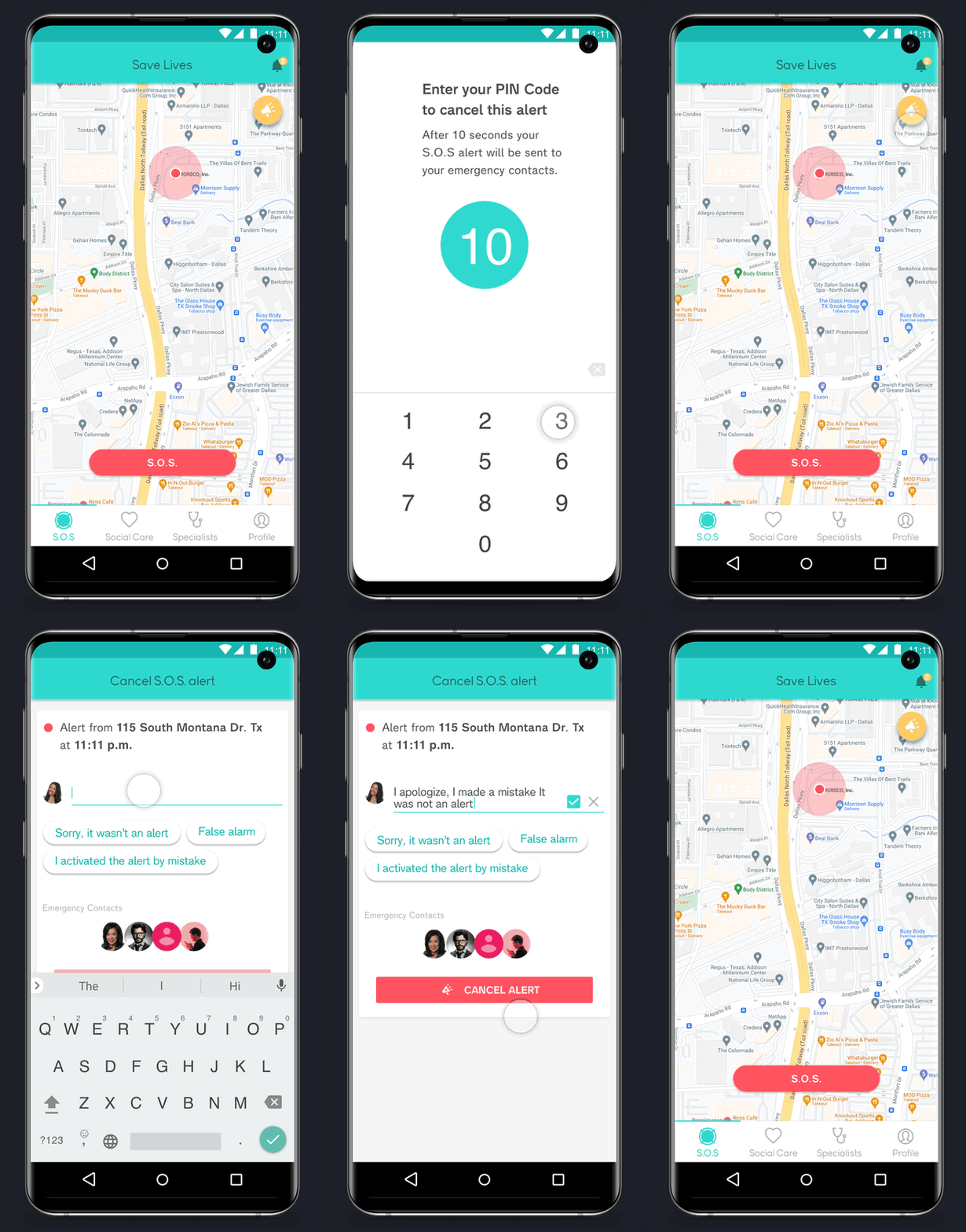
To develop a free, zero-friction safety ecosystem that empowers users to signal for help instantly, providing authorities and emergency contacts with mission-critical data during the first seconds of an encounter.
Our Users
While initially focused on women, the research expanded the scope to include any individual at risk. The persona is defined not by social level, but by their "moment of vulnerability": the transit between safe zones.
Process
Applied a rigorous User-Centered Design (UCD) framework to ensure the solution was grounded in behavioral truth:
Final Impact and Results
This project resulted in a significant shift in my design philosophy.
Closing the Gap
Safety
Architecture
Empowering
Communities
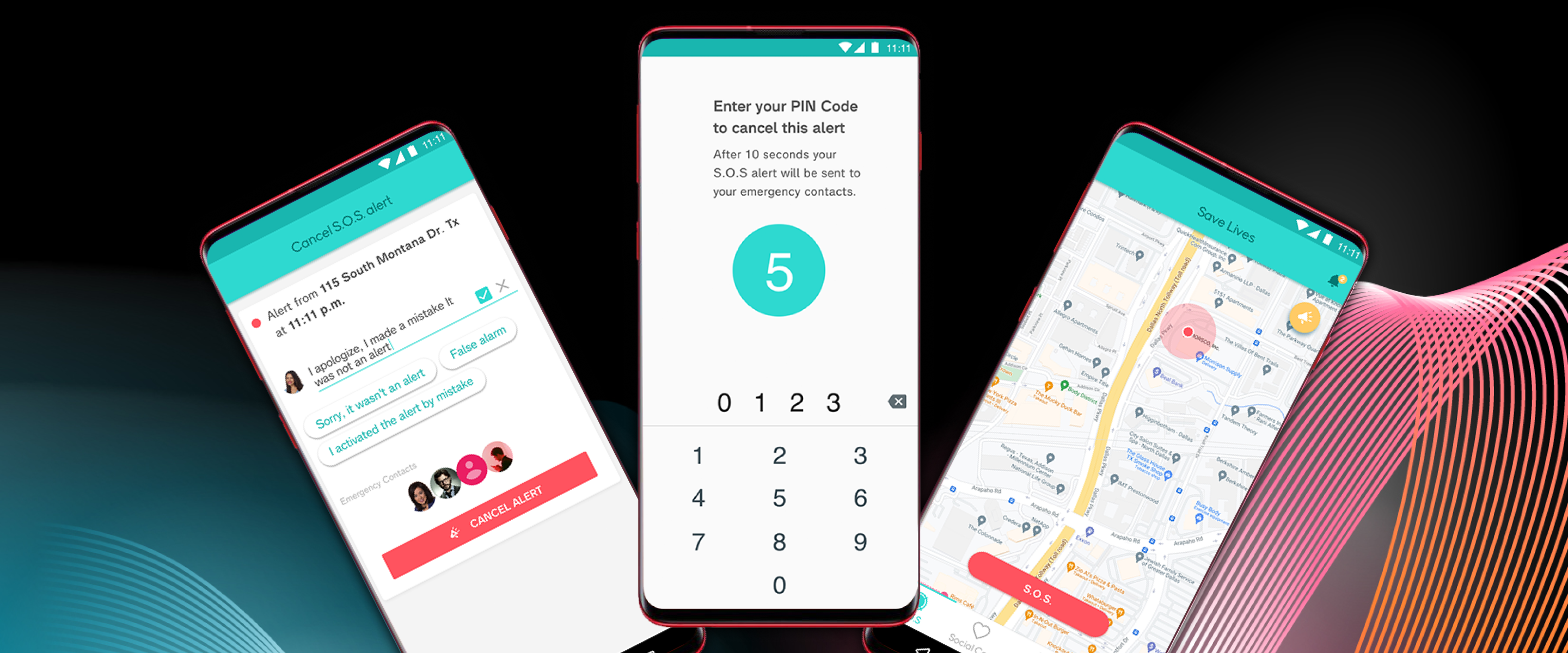
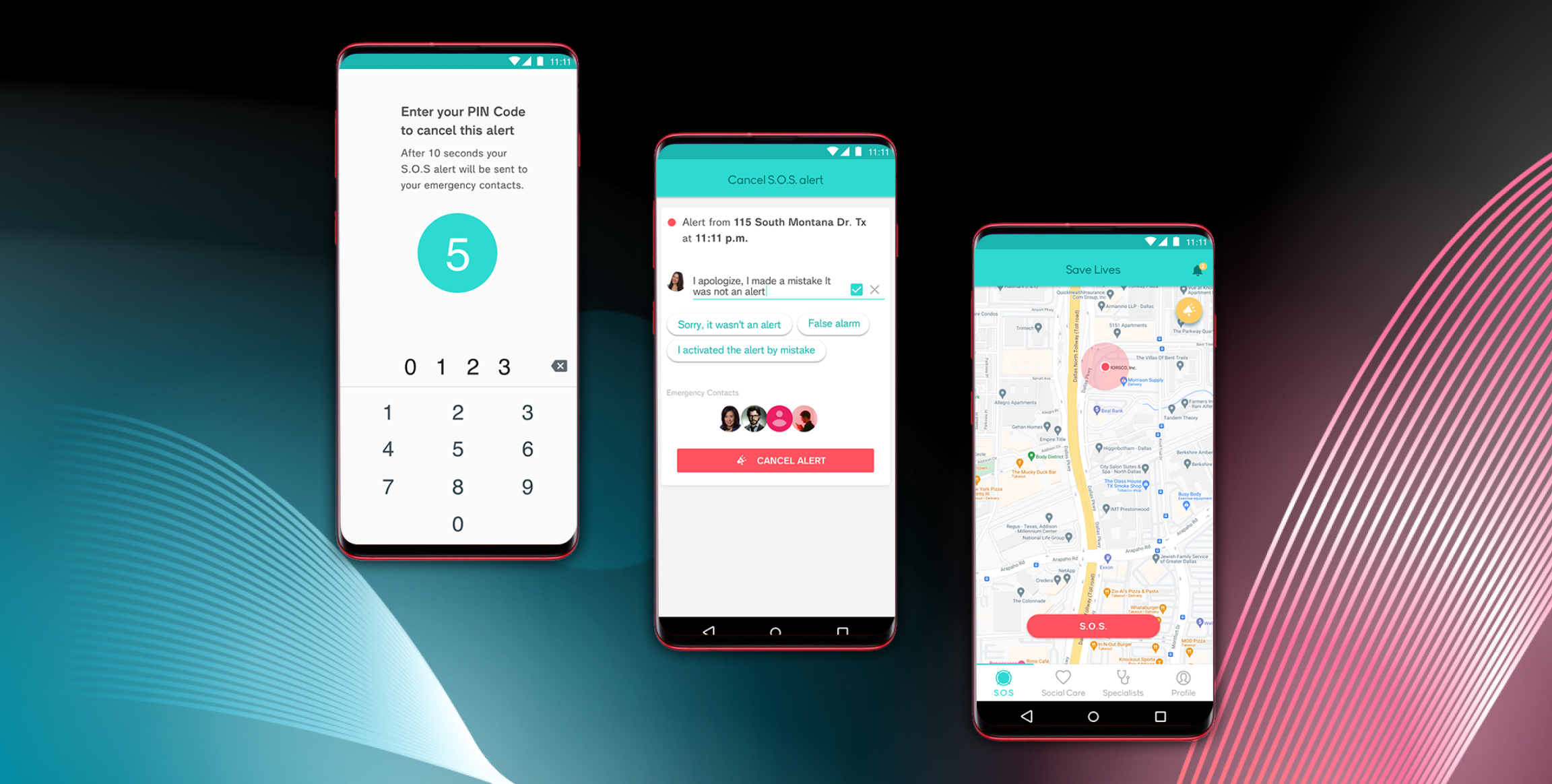
Usability testing revealed that users interacted with safety features differently than predicted. I restructured the UCD process, corrected the user flows, and pivoted the architecture to prioritize "emergency-first" logic.
The research exposed deeper systemic issues, such as normalized sexual harassment and robbery, which informed a more robust "safe-route" feature set.
This initiative evolved from a design exercise into a scalable social tool, driven by the goal of protecting the community and providing a proactive response to systemic violence.
More Projects