Overview
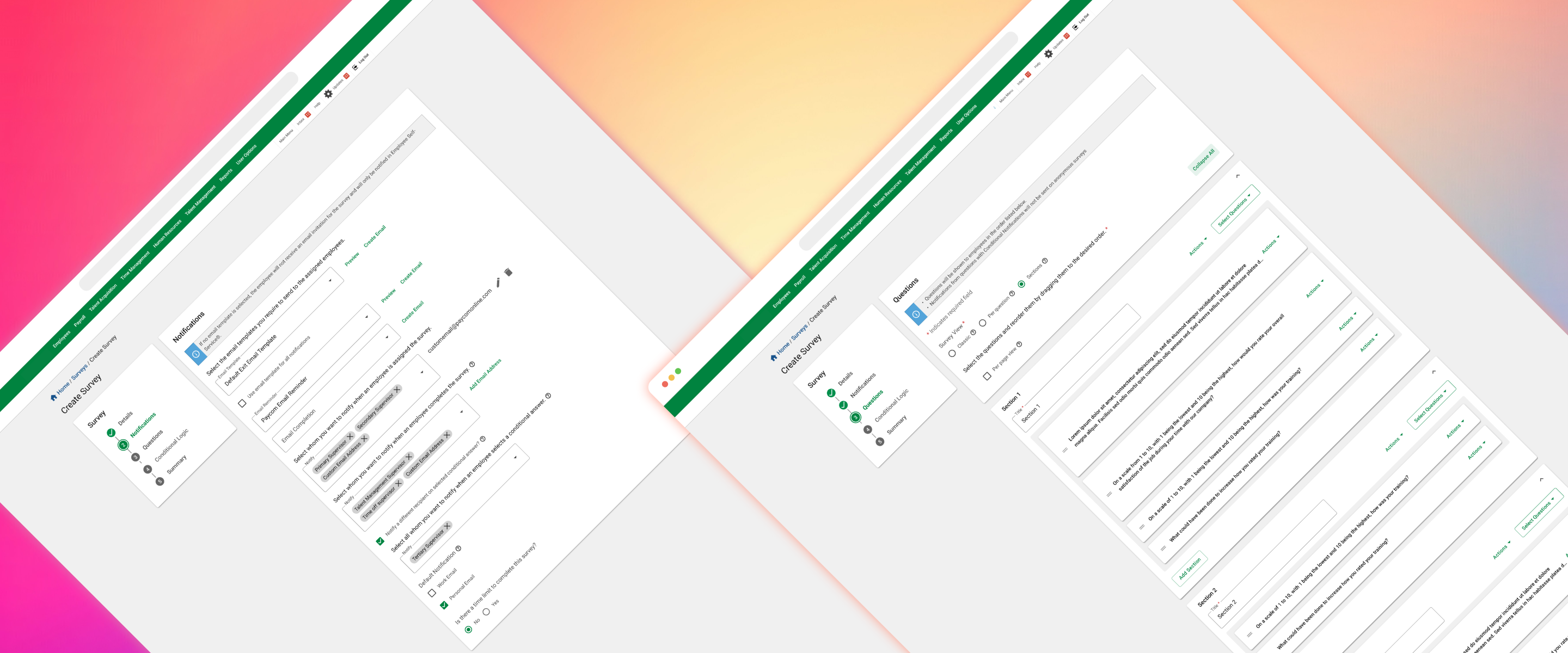
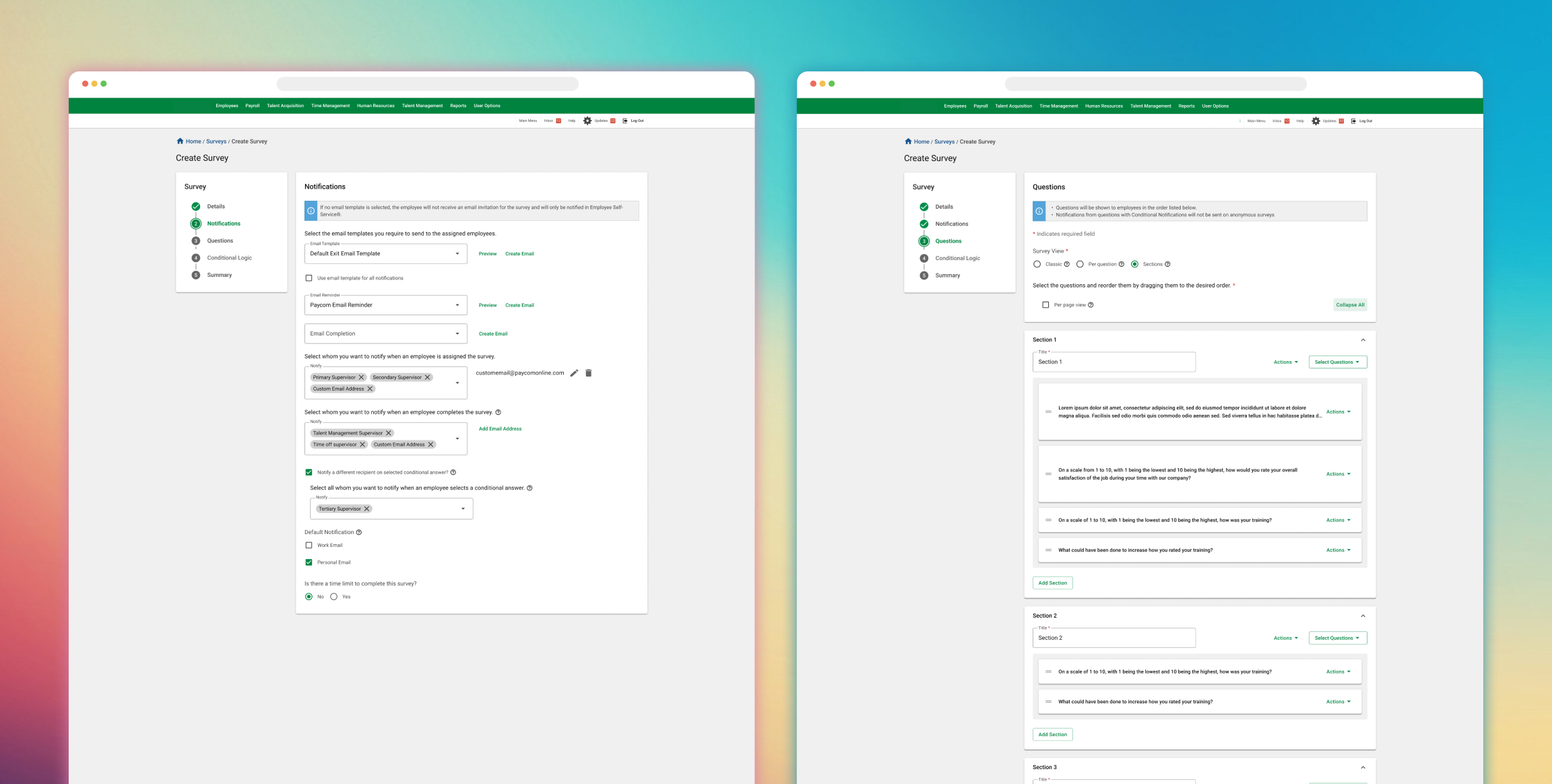
The Survey Module Redesign was an initiative to overhaul a suite of 10 products. By unifying the user interface and expanding functional capabilities, we transformed a dated toolset into a competitive survey ecosystem designed to drive client retention and eliminate reliance on third-party providers.
  • Company
    Paycom
  • My Role
    Product Designer
  • Timeline
    22 Weeks
Problem
The existing module suffered from a fragmented "look and feel" and limited functionality, falling behind modern industry standards.
Clients were increasingly looking toward third-party survey platforms to meet their workforce engagement needs.
A lack of visual and functional harmony across the 10 sub-products created a disjointed experience for administrators.
Goal
To execute a complete visual and functional modernization that aligns with Paycom’s standards, ensuring the platform is the primary choice for HR administrators and executives.
Our Users
Unlike specialist-only tools, this module serves a broad spectrum of users—from HR Generalists and Managers to Directors. The design needed to be powerful enough for experts yet intuitive enough for occasional users across all client organizations.
Design Process
1
Discovery & Legacy Audit
Weeks 1 - 2
The project focused on understanding the technical debt and user friction inherent in the old system.
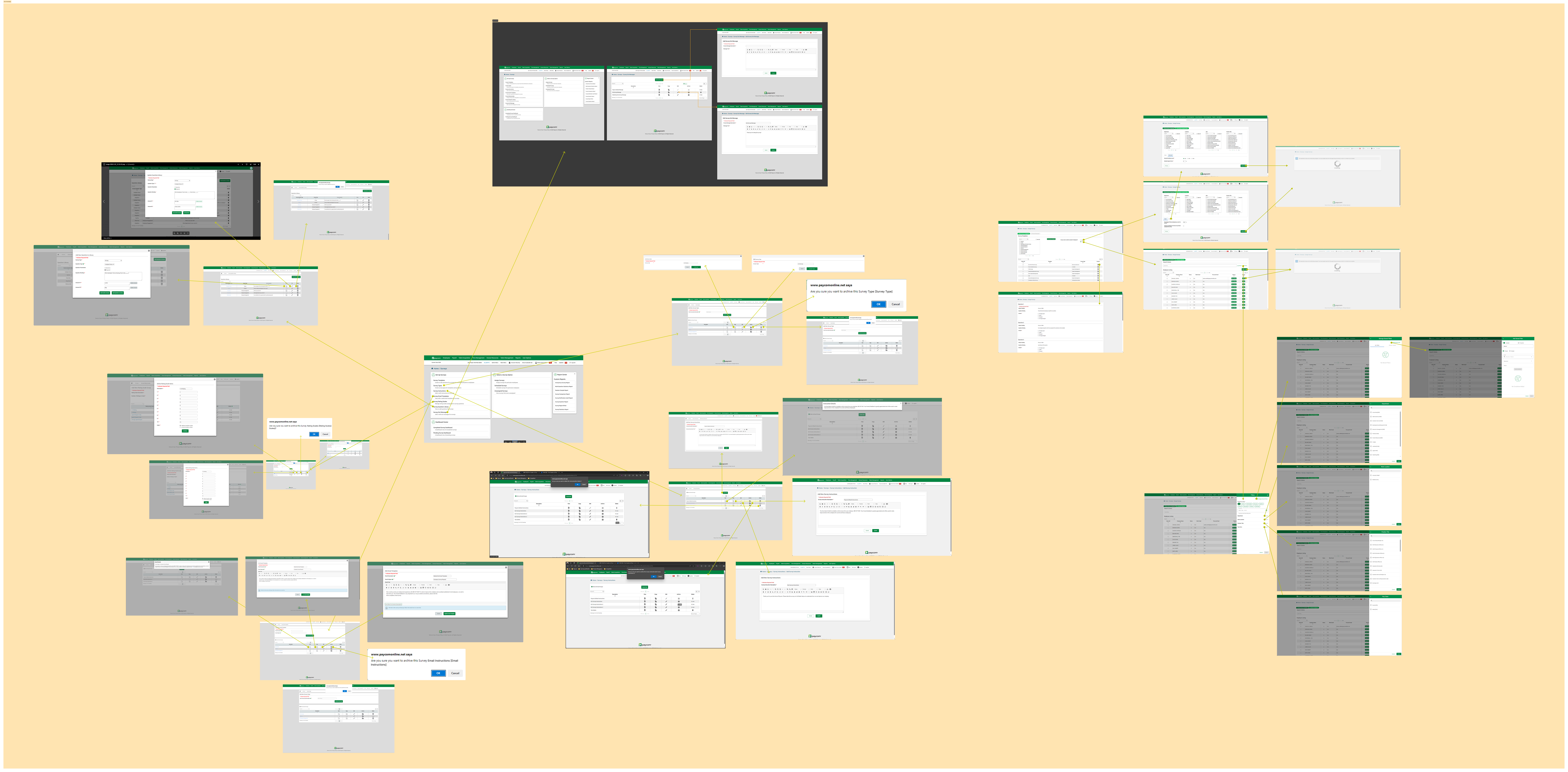
  • Flow Mapping: Documented the existing MVC module to identify outdated components and mapping paths for the React transition.
  • Pain Point Identification: Created a comprehensive "Experience Audit" in Confluence, combining user feedback and internal analysis to pinpoint critical UX flaws.
2
IA & UX Overhaul
Weeks 3 - 8
This period was dedicated to a "clean slate" restructuring of all 10 products.
  • Simplification: Removed obsolete features and streamlined user actions to make the experience more intuitive.
  • Consistency: Aligned the module’s architecture with the broader company design standards to ensure a cohesive ecosystem.
3
UI Design & Component Evolution
Weeks 9 - 13
Transitioning to high-fidelity design revealed the need for architectural updates in the design system.
  • Component Development: Collaborated with developers to identify limitations in the current library, triggering the creation and upgrade of several UI components to support the new React framework.
4
Advanced Feature Engineering
Weeks 14 - 17
To compete with tools like SurveyMonkey and Google Forms, the team tackled complex data visualization.
  • Comparative Analytics: Solved the challenge of cross-survey data comparison.
  • Strategic Constraints: To prevent cognitive overload, comparison logic was restricted to two surveys and similar question types, excluding high-complexity data like matrices and open-ended answers.
5
Validation & Iteration
Weeks 17 - 21
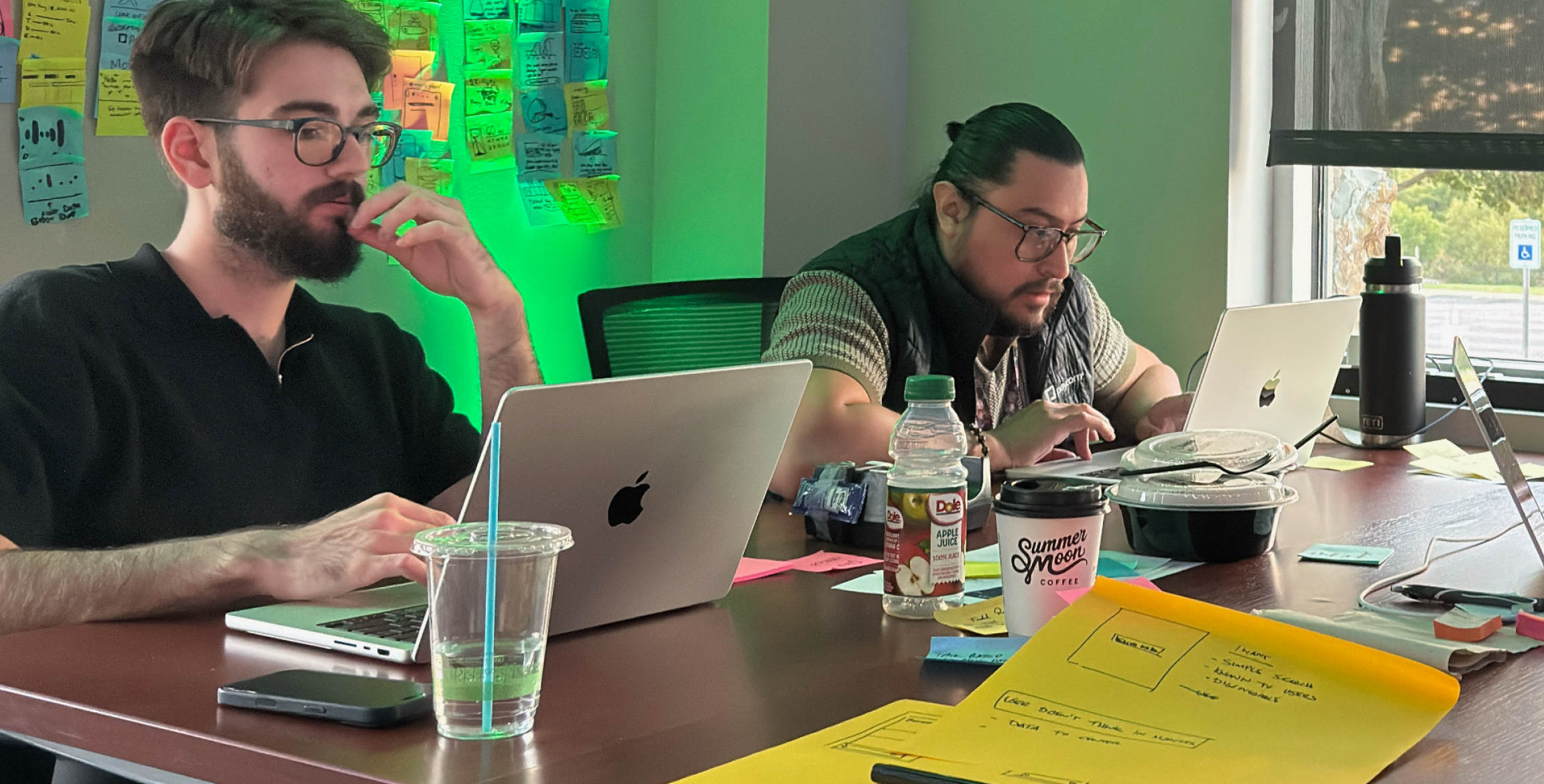
The design was put to the test through targeted research and rapid prototyping.
  • SME Testing: Led usability sessions with five subject matter experts to validate the new flows.
  • Refinement: Updated designs and functionality based on research data while simultaneously beginning the handoff process.
6
Parallel Construction & Design QA
Weeks 22 - End
The final stage ensured high-quality execution through continuous oversight.
  • Design QA Leadership: Managed multiple review sessions to ensure the front-end development matched design specifications, micro-interactions, and visual standards across all 10 survey products.
Key Deliverables
Engineered a side-by-side survey comparison engine that enables users to cross-analyze datasets through synchronized, real-time data visualizations.
Delivered a comprehensive suite of UI customization tools, including interactive chart-type switching, custom color palettes, and granular axis controls (decimals, label truncation, and scaling).
Defined and implemented strict data-mapping rules to ensure visual accuracy, specifically managing compatibility across diverse question types while handling complex data structures like matrix and open-ended responses.
Spearheaded the integration of image-based questions and answers, enhancing respondent clarity and increasing survey completion rates through visual context.
Secured stakeholder approval and led the end-to-end design and implementation of a custom slider UI, modernizing the user interaction model for scalar data collection.
Key Learnings
Learned that navigating technical constraints is not a barrier to creativity, but an opportunity for deeper collaboration with Engineering. Negotiating component enhancements ensures that the final product is both feasible and high-performing.
Recognized that the "best" design is the one that can be successfully built and maintained. Prioritizing the user’s needs during technical trade-offs leads to more resilient and stable solutions.
Final Impact and Results
The redesigned module successfully repositioned Paycom in the survey space:
Unified
Ecosystem
Competitive
Parity
Increased
Adoption
Created a cohesive, fast, and modern experience across the entire 10-product suite.
The addition of advanced customization and scheduling tools effectively neutralized the need for third-party survey software.
Initial post-launch feedback indicates a significant lift in user satisfaction, with clients reporting a more streamlined, professional workflow for workforce data collection.
More Projects